Operational Intelligence · Dine-In Restaurants

Detect service delays and floor
bottlenecks using your existing CCTV

SANGATI helps dine-in restaurants detect missed service moments, table congestion, and kitchen-to-floor handoff gaps — using on-prem AI on existing camera feeds. No POS replacement. No camera replacement for compatible setups.

Works with existing IP cameras

Standard RTSP feeds. No replacement in most deployments.

Core processing runs on-premise

Raw footage does not leave your restaurant network.

No face recognition

Detects occupancy and movement — not identities.

No POS replacement

Layers on top of your existing systems.

Catch table neglect earlierFlag unattended tables before guests give up
Improve zone coverage during rushSee which zones are short-staffed in real time
Reduce manager guessworkReplace floor walks with continuous signals
Example Live Signals · Saturday 8:15 PM
Table 7 waiting 14 min after mains cleared — no attention
Main hall coverage dropped below normal — 2 staff in patio, 0 in hall
Kitchen pass backlog rising — 4 orders waiting over 6 min

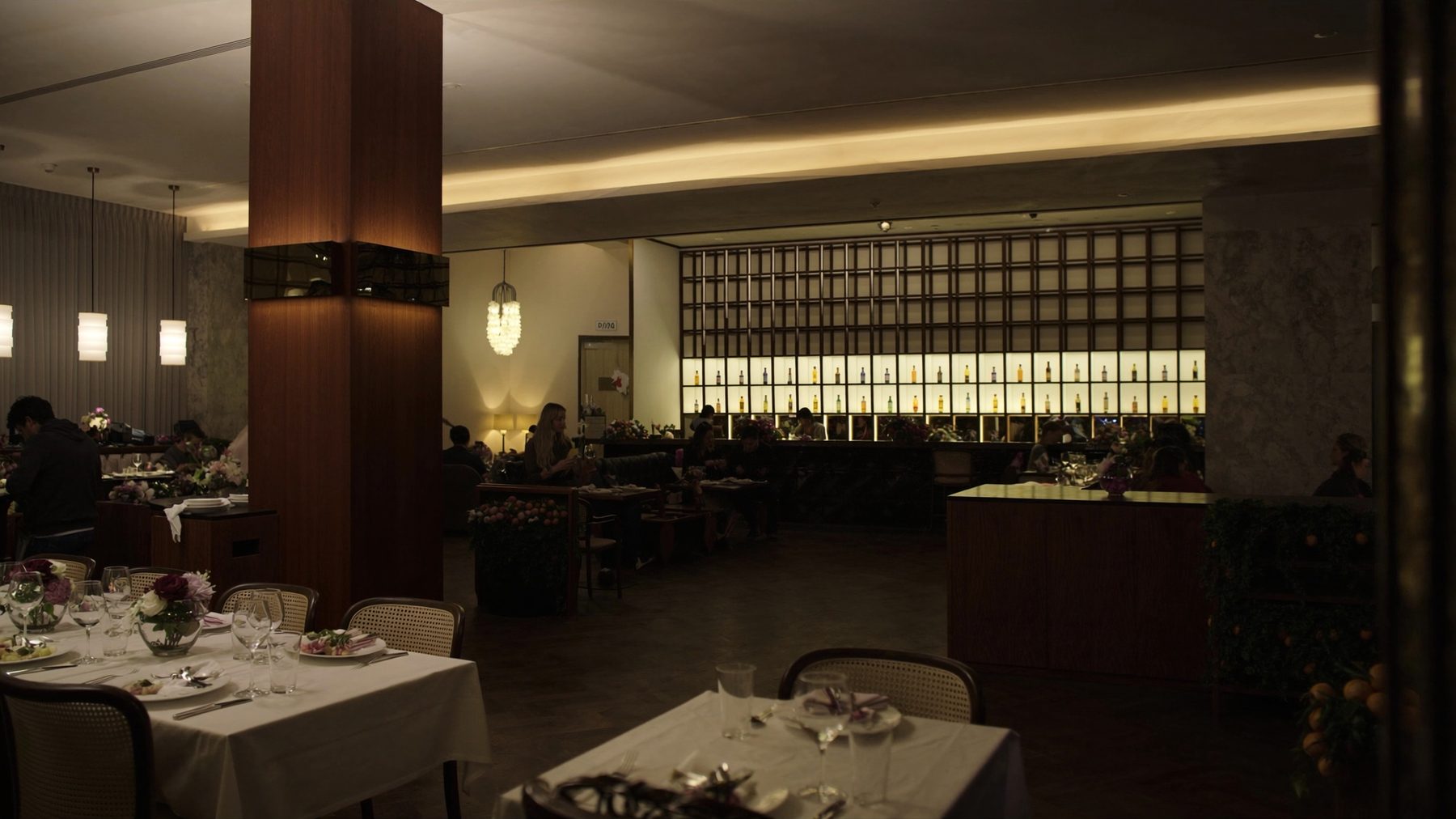
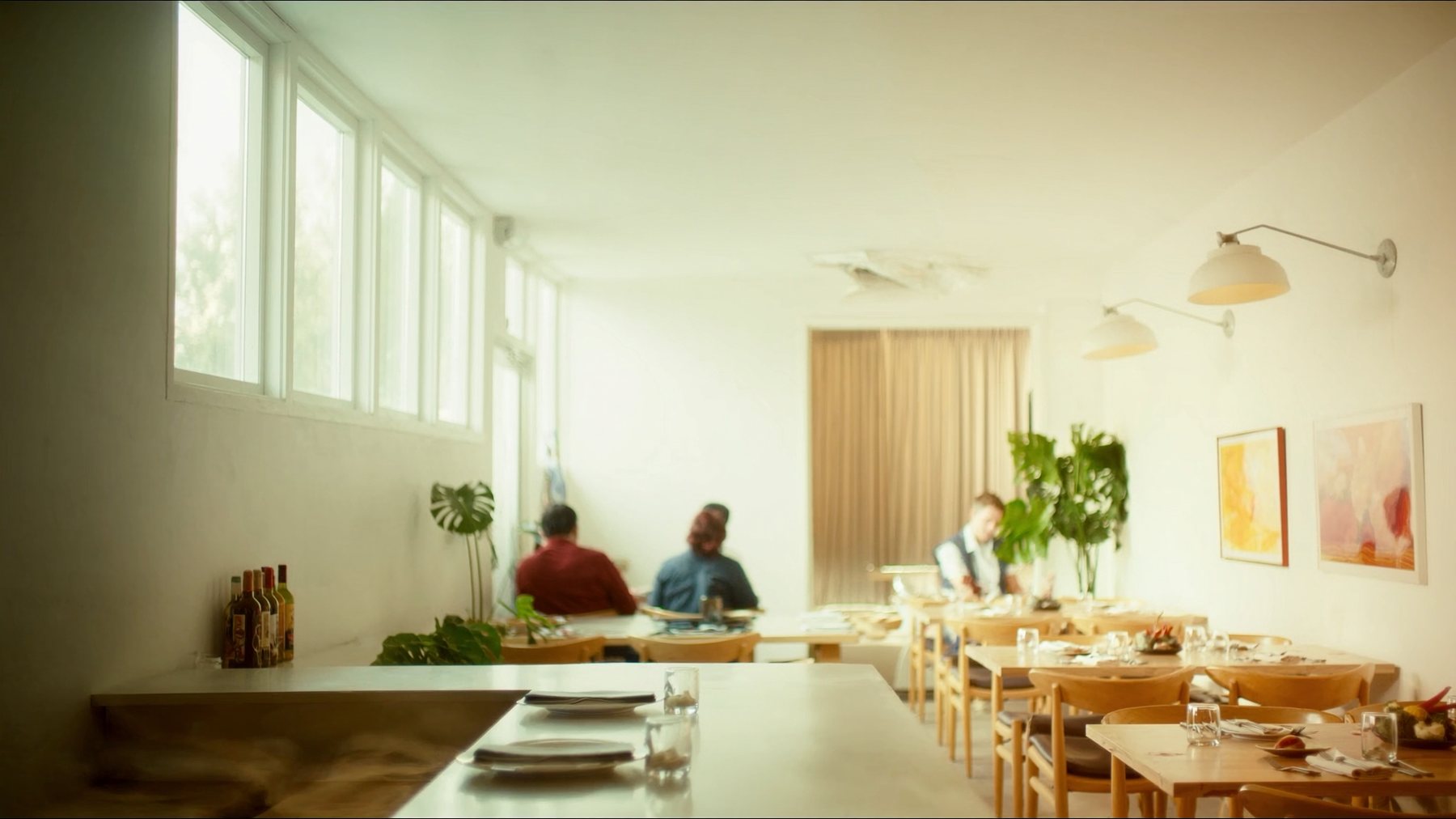
Restaurant dining
The Problem

Your POS explains what sold. It doesn't explain what went wrong on the floor.

Most dine-in restaurants operate with a visibility gap between the kitchen, the floor, and the people responsible for service recovery.

01

Missed service moments

A table waits too long for attention. A dirty table sits idle at peak. The manager finds out too late — or never.

02

Invisible floor bottlenecks

One zone overstaffed, another unmonitored. Hosts seat unevenly. No one catches it until service degrades.

03

No real-time operational visibility

POS is retrospective. Manager walks are intermittent. No continuous signal shows how floor ops are running right now.


What SANGATI Monitors

What your team actually sees during service.

Live signals from your floor, routed to the right person at the right time.

Seating & occupancy

Zone-level table status, dwell time, and turn patterns across covered areas.

Wait time detection

Time from arrival to seating, and service attention gaps at occupied tables.

Floor coverage

Staff movement patterns and zone coverage to identify unattended areas.

Kitchen-to-table delays

Monitoring handoff bottlenecks between kitchen pass and floor delivery.

Drift from normal service patterns

Flags when service starts drifting from your restaurant's usual pattern — before anyone complains.

Role-based dashboards

Owner, Manager, Floor Captain, Kitchen, Host — each sees only what they need.


How It Works

Turn existing camera coverage into live operational visibility.

Four steps. No disruption to current operations.

01

Connect camera feeds

Taps into existing IP camera RTSP streams. Works with your current setup — no rewiring needed.

02

Process on-site

A lightweight edge device processes feeds locally inside your restaurant. Core detection runs on-premise.

03

Detect operational signals

Computer vision identifies occupancy changes, movement patterns, congestion, and service delays in covered zones.

04

Route to the right role

Alerts and dashboards push the right information to the right person — floor captain, kitchen, manager, or owner.

Restaurant kitchen
On-Premise · Privacy-First

Every signal processed inside your restaurant, on hardware you control.


Product Preview

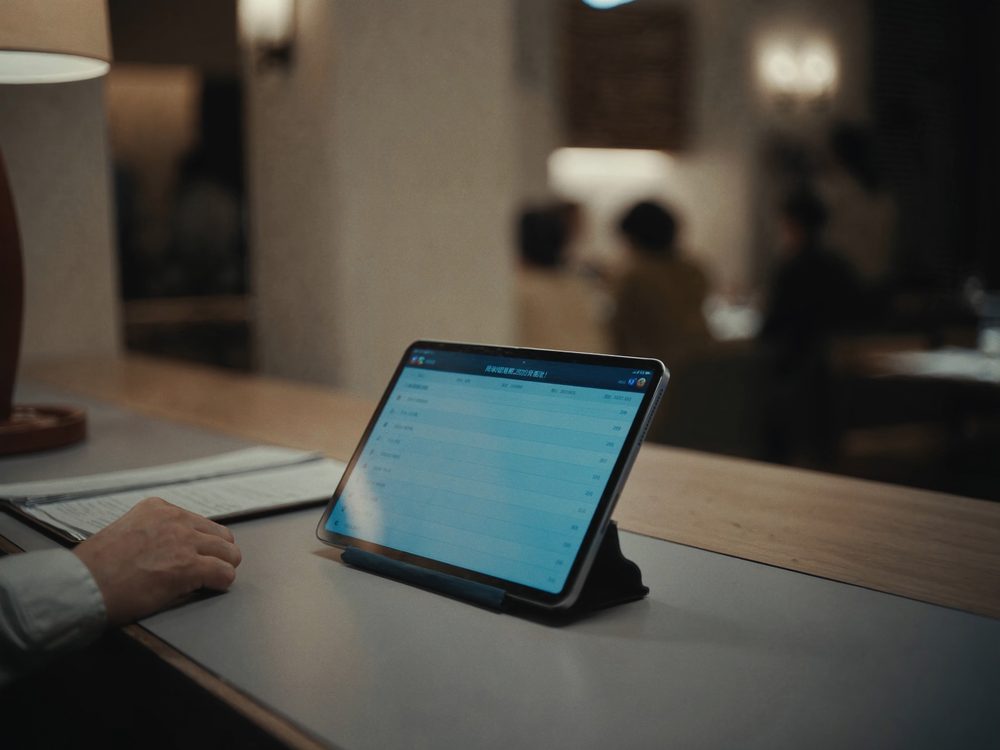
What the manager dashboard looks like.

Role-based views built for restaurant operators, not data analysts. Representative preview of the interface.

SANGATI — Manager View
Floor Overview
Kitchen Status
Alerts
Staff Coverage
Daily Summary
Tables Occupied
18 / 24
75% occupancy · 3 tables pending clear
Avg Dwell Time
42 min
Baseline: 38 min · +10% above normal
Active Alerts
2
Table 7: 14 min no attention · Table 12: dirty 8 min
Attention Queue
3
Tables flagged for delayed service or clearing
PATIO
Normal
MAIN HALL
Busy
BAR AREA
Normal
PRIVATE
Alert

Representative interface. Actual dashboards vary by venue layout, configured zones, and role permissions.


Product Status

What's real today. What's next.

No vaporware, no roadmap passed off as reality.

Built & Tested
  • Occupancy detection by zone
  • Dwell time tracking
  • Edge processing architecture
  • 5 role-based dashboard UX
  • On-premise event logging
  • CCTV RTSP feed integration
In Pilot Development
  • Service delay alerting
  • Kitchen pass monitoring
  • Staff zone coverage analysis
  • Role-based push notifications
  • Venue baseline learning
On Roadmap
  • Advanced venue baselines
  • Multi-zone alert refinement
  • Richer historical summaries
  • Multi-site dashboards
  • Role-specific reporting

Why This Matters

What changes when you have live floor visibility.

Faster response to service delays

Flags delays while the guest is still at the table — not after they've left a bad review.

Better zone visibility for managers

See which zones need attention without walking the entire floor continuously.

Tighter service consistency

Know when service is drifting from your restaurant's usual pattern — even when no one complains.

Less managerial guesswork

Replace instinct-driven floor walks with continuous live signals from every covered zone.

SANGATI is built to reduce missed attention moments, improve table-flow visibility, and help operators intervene before service delays become lost covers, lower spend, or poor guest experience.


Why Not Existing Tools

Your POS, cameras, and floor walks each see a piece. None see the whole picture.

POS
CCTV
Manager Walks
SANGATI
What it captures
What sold
Footage
What's visible now
Live operational deviations
When you see it
After close
On review
During the walk
Continuously during service
Can it catch a delay?
No
Only retroactively
If manager is there
While still recoverable

POS

CapturesWhat sold
TimingAfter close
Catches delays?No

CCTV

CapturesFootage
TimingOn review
Catches delays?Only retroactively

Manager Walks

CapturesWhat's visible now
TimingDuring the walk
Catches delays?If manager is there

SANGATI

CapturesLive operational deviations
TimingContinuously during service
Catches delays?While still recoverable

Venue Fit

Built for a specific kind of restaurant.

SANGATI isn't for everyone. Here's who gets the most value.

Best fit

  • Full-service dine-in restaurants
  • Multi-zone casual dining venues
  • Operators doing 50+ covers/day
  • Venues with existing IP camera infrastructure
  • Owners or managers wanting live floor visibility
  • Restaurants in Mumbai (for pilot phase)

Not ideal for

  • Delivery-only or cloud kitchens
  • Venues without usable camera coverage
  • Very small low-volume cafes
  • Operators expecting plug-and-play without calibration
  • Venues outside Mumbai during pilot

Pilot Process

What happens when you apply.

A structured process — not a sales pitch.

1

Qualification Call

We assess venue type, covers, and camera setup

2

Camera Assessment

Check coverage zones, angles, and RTSP compatibility

3

Edge Setup

Install and configure on-site processing device

4

Zone Calibration

Map floor zones to camera feeds and set baselines

5

Baseline Learning

System learns your venue's normal operating patterns

6

Operator Review

Review useful signals with you and iterate together


Privacy & Deployment

Your data stays in your restaurant.

Privacy is an architectural decision, not an afterthought.

On-premise processing

Core video processing runs locally on the edge device inside your restaurant.

No face recognition

Detects occupancy and motion patterns. Does not identify individuals.

No guest profiling

No personal data collection. No identity matching. No audio capture required.

Footage stays on-site

Raw footage does not need to leave your premises. SANGATI extracts signals, not recordings.

Installation calibration

Zones and angles calibrated during setup. Works only within covered areas.

Standard camera support

Compatible with IP cameras outputting RTSP. No proprietary hardware lock-in.

Technology infrastructure

Behind SANGATI

Built by a restaurant operator, not a software tourist.

PM

Prasad Mehta

Founder · Prasad Matrix Inc (SANGATI)

14 years in F&B operations. Built and ran two restaurant businesses — including UnCafe, a Mumbai cafe nominated for Best Vegetarian Cafe in 2018. Master's in International Hospitality Management from AUT, New Zealand. Building SANGATI from floor pain, not from a pitch deck.

14 YRS F&B OPS 2 RESTAURANTS BUILT MSc HOSPITALITY MUMBAI-BASED

FAQ

Common questions.

Do I need new cameras?+
In most cases, no. SANGATI works with existing IP cameras that output RTSP streams. Most modern CCTV systems support this. We assess camera compatibility during the qualification call.
Does SANGATI replace my POS?+
No. SANGATI layers on top of your existing systems. It adds operational visibility that sales data alone cannot provide.
What hardware is required on-site?+
A compact edge device that sits in your restaurant and handles all video processing locally. One-time hardware cost is approximately ₹15,000. We handle sourcing and setup during the pilot.
Does it identify guests or staff by face?+
No. SANGATI uses object detection to track occupancy and movement — not facial recognition. It cannot identify who someone is, only that a position is occupied or a zone has activity.
Does video footage leave my restaurant?+
Core processing runs on the edge device inside your premises. SANGATI extracts operational signals — occupancy counts, dwell times, movement patterns. Raw footage does not need to leave your network for core detection to work.
How long does setup take?+
Initial setup usually takes around 1–2 days depending on venue size, camera access, and calibration needs. Baseline learning improves over the first 1–2 weeks of operation as the system learns your venue's patterns.
What if camera angles are poor?+
SANGATI works within covered zones. If a camera has poor angles or limited coverage, that zone will have reduced detection accuracy. We assess coverage during onboarding and are transparent about what each zone can and cannot detect reliably.
What's live today vs coming next?+
See the Product Status section for a transparent breakdown. Core detection and dashboard UX are built and internally tested. Service alerting and kitchen monitoring are in active pilot development. Advanced baselines, multi-site dashboards, and richer reporting are on the roadmap.
What does a successful pilot look like?+
A pilot is successful when the operator team finds the operational signals genuinely useful for daily service decisions — whether that's catching delays earlier, managing zones better, or having visibility they didn't have before. We define success together during the operator review phase.

Pilot Programme · Mumbai
PILOT INTAKE OPEN — MUMBAI VENUES

Book a founder-led pilot assessment

Limited pilot intake in Mumbai. We'll assess honestly whether SANGATI fits your venue, camera setup, and operating model — no sales pitch.

Founder-led onboarding. Camera fit check included.

What you'll see in a walkthrough

Book Pilot Assessment

We review every application honestly. If your venue isn't a fit, we'll tell you.
By submitting, you agree to be contacted about SANGATI's pilot programme.


Careers

Work with us.

SANGATI is building the operational intelligence layer for India's restaurant industry. Small, fast-moving team based in Mumbai — looking for people who want to solve real problems for real operators.

Computer Vision Engineer

Object detection, tracking, and edge deployment. Experience with YOLO/ONNX and real-time video pipelines preferred.

MUMBAI · FULL-TIME

Full-Stack Developer

React, Node, Electron, Python. You'll build dashboards, APIs, and desktop tools for restaurant operators.

MUMBAI · FULL-TIME

Restaurant Ops Intern

Hospitality or F&B background. Help us design workflows that make sense on the floor, not just on a screen.

MUMBAI · INTERNSHIP

Don't see your role? We're always open to hearing from sharp people. Reach out at careers@sangati.tech